An architect who designs for the story, not the spec sheet.

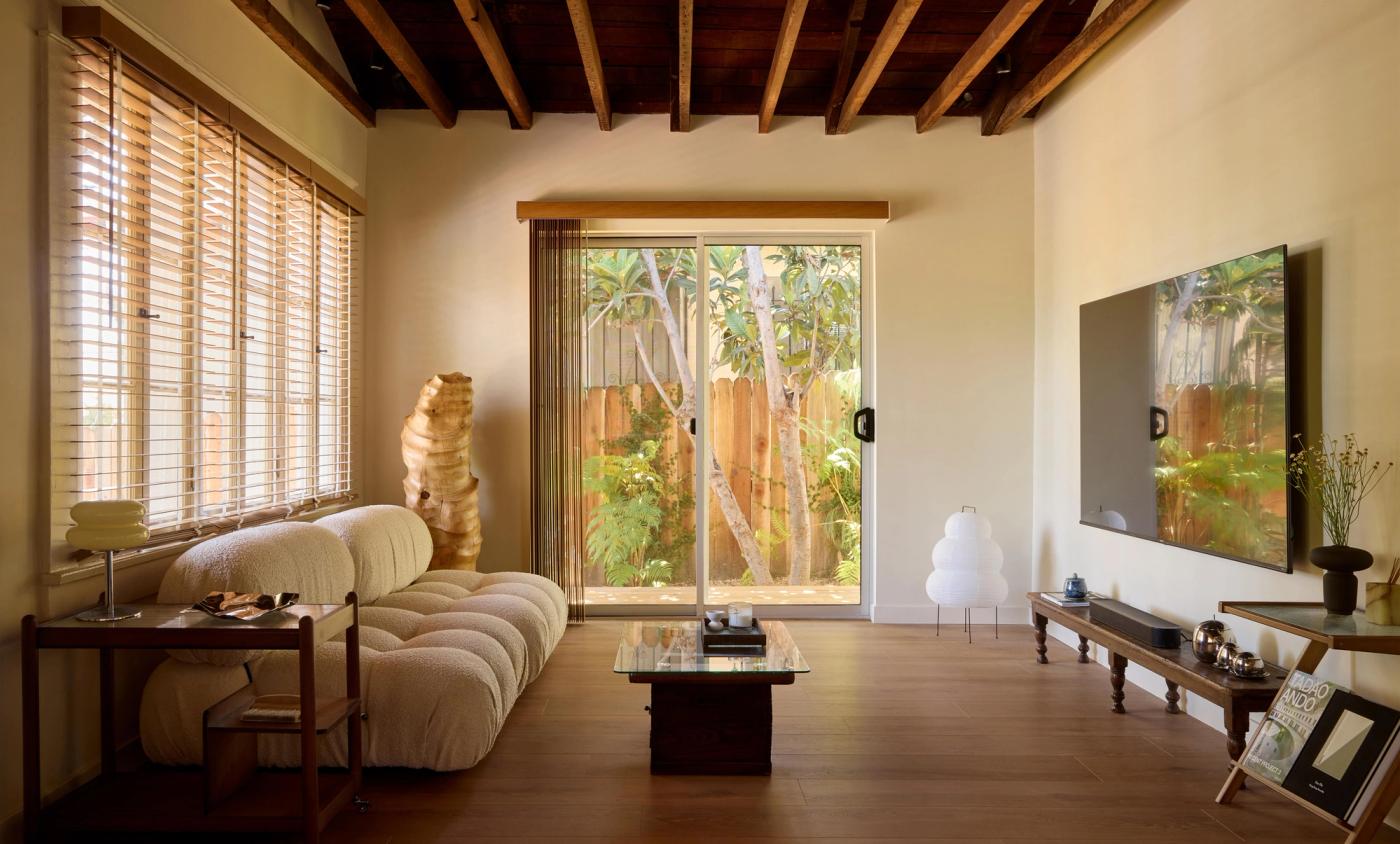
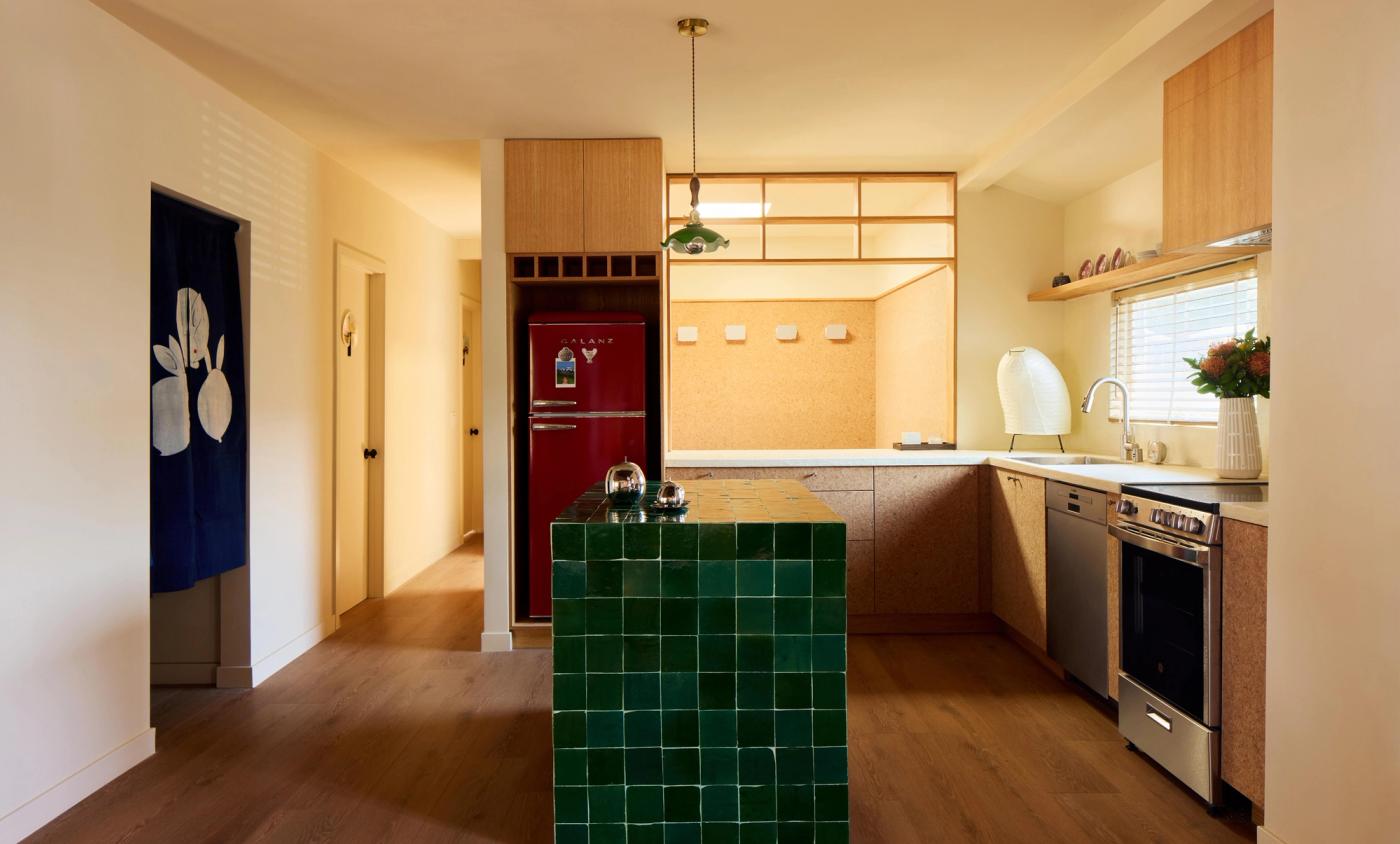
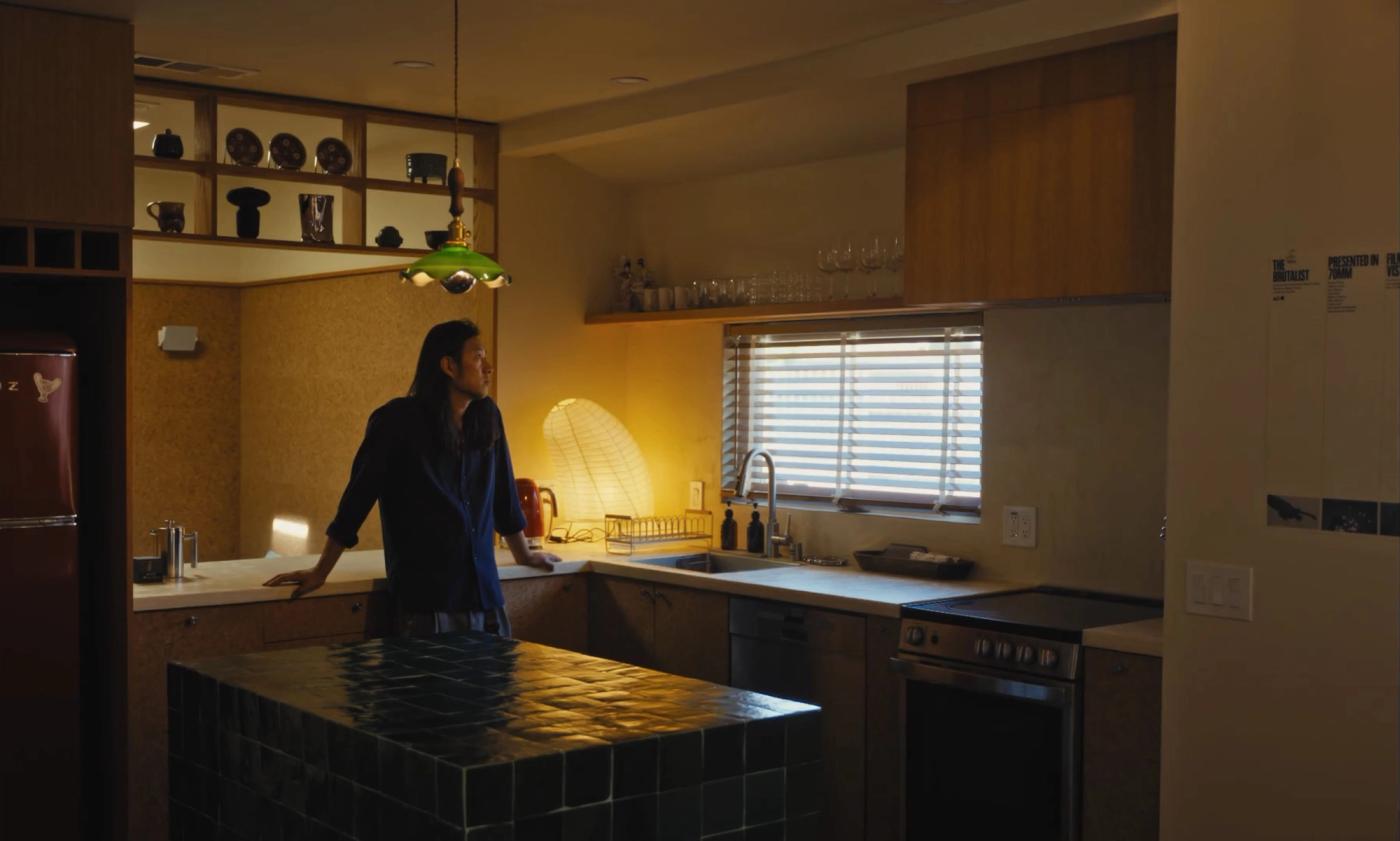
Paul Chan runs an LA architecture and design studio that treats every project as a set: a real place where life unfolds and stories get told. The work spans private homes and hospitality, from residences in Silver Lake and Los Feliz to restaurants and retail like 5 PAS and Elorea LA. The thread across all of it is detail. Paul wants his attention on the design, not on the admin that surrounds it.

Paul Chan Architecture and Design Studio

A spreadsheet forgets everything the moment a project ends

Paul has been doing this a long time, and his problem with spreadsheets was specific: nothing carried. As he puts it, "there is no institutional knowledge, it doesn't carry from one project to another." Every new project started from a blank grid.

The structure he had figured out last time, the way he liked to organize finishes or lighting or furniture, had to be rebuilt by hand each time. That meant duplicated effort, inconsistent formats between projects, and hours spent keeping information lined up instead of designing.
Architecture and design studio

The schedule does the heavy lifting, so the work is just entering the design

Schedules are the tool Paul reaches for most. "It's about organizing information in a pre-thought-out way that Programa has already done for us," he says. "That's the heavy lifting. I'm just entering the information." The structure is already there, so the tool gets out of the way: "you're really just thinking about the design, and entering the information is second nature at this point."

Two things changed how the studio runs:

First, knowledge carries forward. Paul takes a format that worked on one project and moves it straight into the next, so there's consistency from one job to the next instead of a blank start every time.

Second, clients sign off in one place. Paul sends a link and the client reviews each item: approve, or "we don't like that, can we change that?" Approvals and change requests live in the same thread, so the feedback that used to scatter across email now sits against the actual item it's about.

Architecture ad design studio

It's about organizing information in a pre-thought-out way that Programa has already done for us. That's the heavy lifting. I'm just entering the information.

Paul ChanStudio Paul Chan

A steady handle from concept through construction

For Paul, success is holding the thread from the first idea all the way through construction: "having a vision in the beginning and being able to carry it through the design and construction phase, having a steady handle on that, is the key."

His schedules on a single project run deep, hundreds of line items across furniture, lighting, finishes, plumbing, electronics and hardware, and they stay organized from concept to install. In his words, Programa is "proof" that the vision held.

architecture and design studio

Lessons

Interior Design
Share

Better your practice today, don't waste another minute.

Paul Chan Studio is an LA-based architecture and interior design practice that treats every project as a set: a real place where life unfolds and stories get told. To hold that vision from first concept through construction, the studio runs its projects in Programa. Here's how that works in practice.

Schedules that do the heavy lifting. FF&E schedules are the tool Paul reaches for most. The structure is already built, so the studio spends its time on the design and simply enters the information, rather than rebuilding a spreadsheet from scratch on every job.

Knowledge that carries between projects. A format that works on one project moves straight into the next. Instead of starting from a blank grid each time, the studio keeps consistency across residential and hospitality work alike, from homes in Silver Lake and Los Feliz to restaurants and retail fit-outs.

Client approvals from a shared link. Paul sends clients a single link to review the work. They approve item by item, or flag what they want changed, so feedback sits against the actual specification instead of scattering across email.

A steady handle from concept to construction. With schedules, approvals, and project detail organized in one workflow, the studio keeps control of hundreds of line items across furniture, lighting, finishes, plumbing and hardware, all the way through to install.