The approach
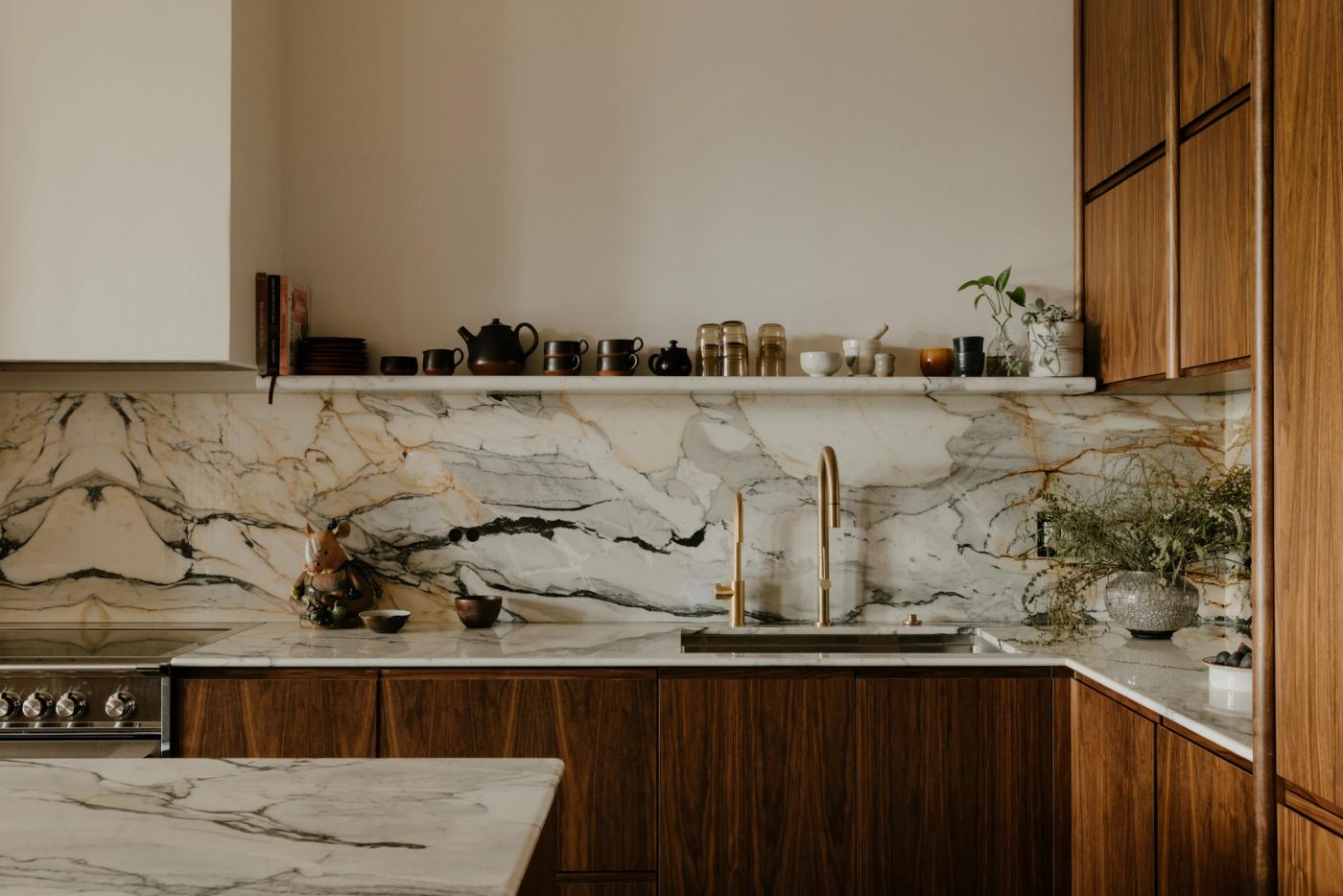
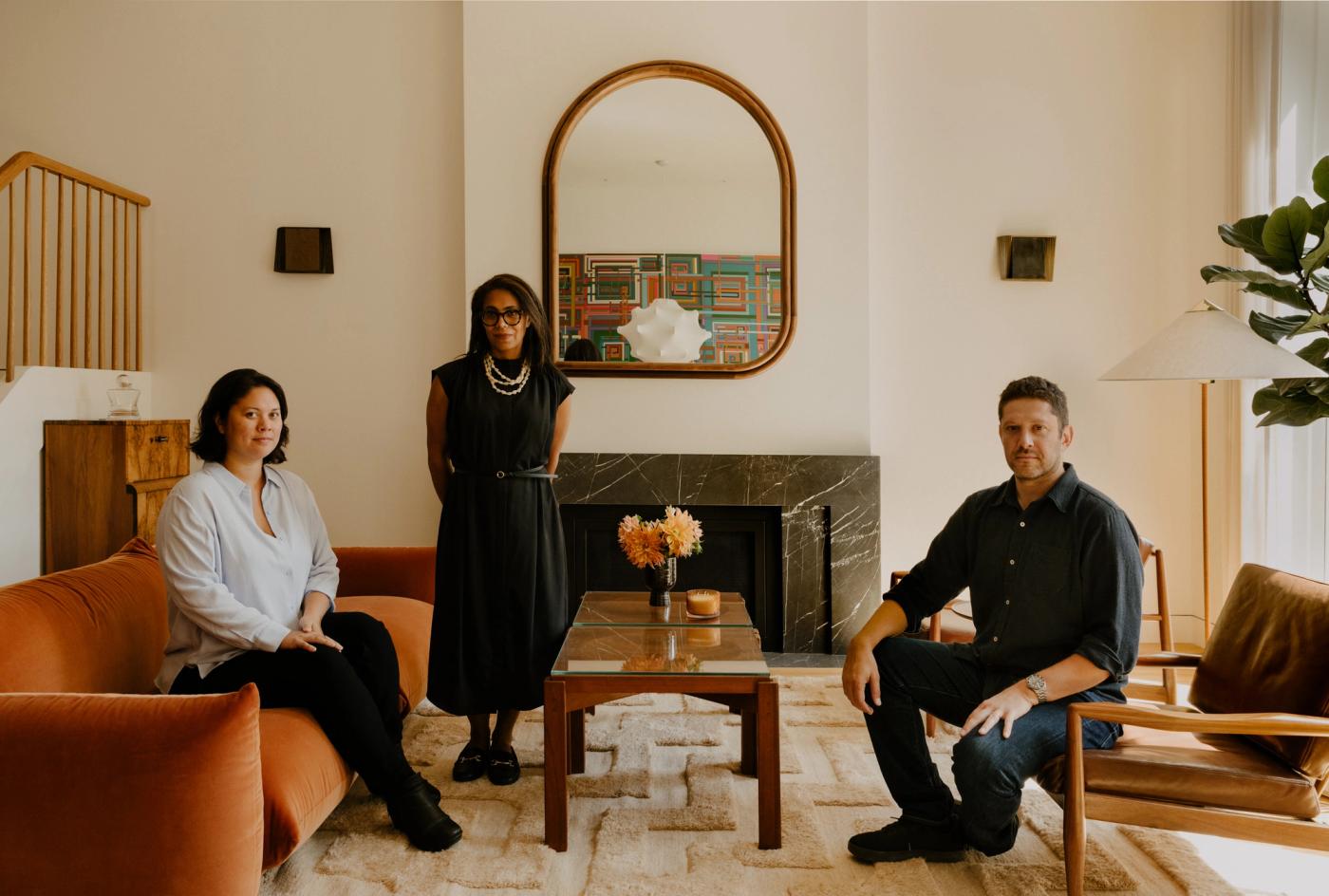
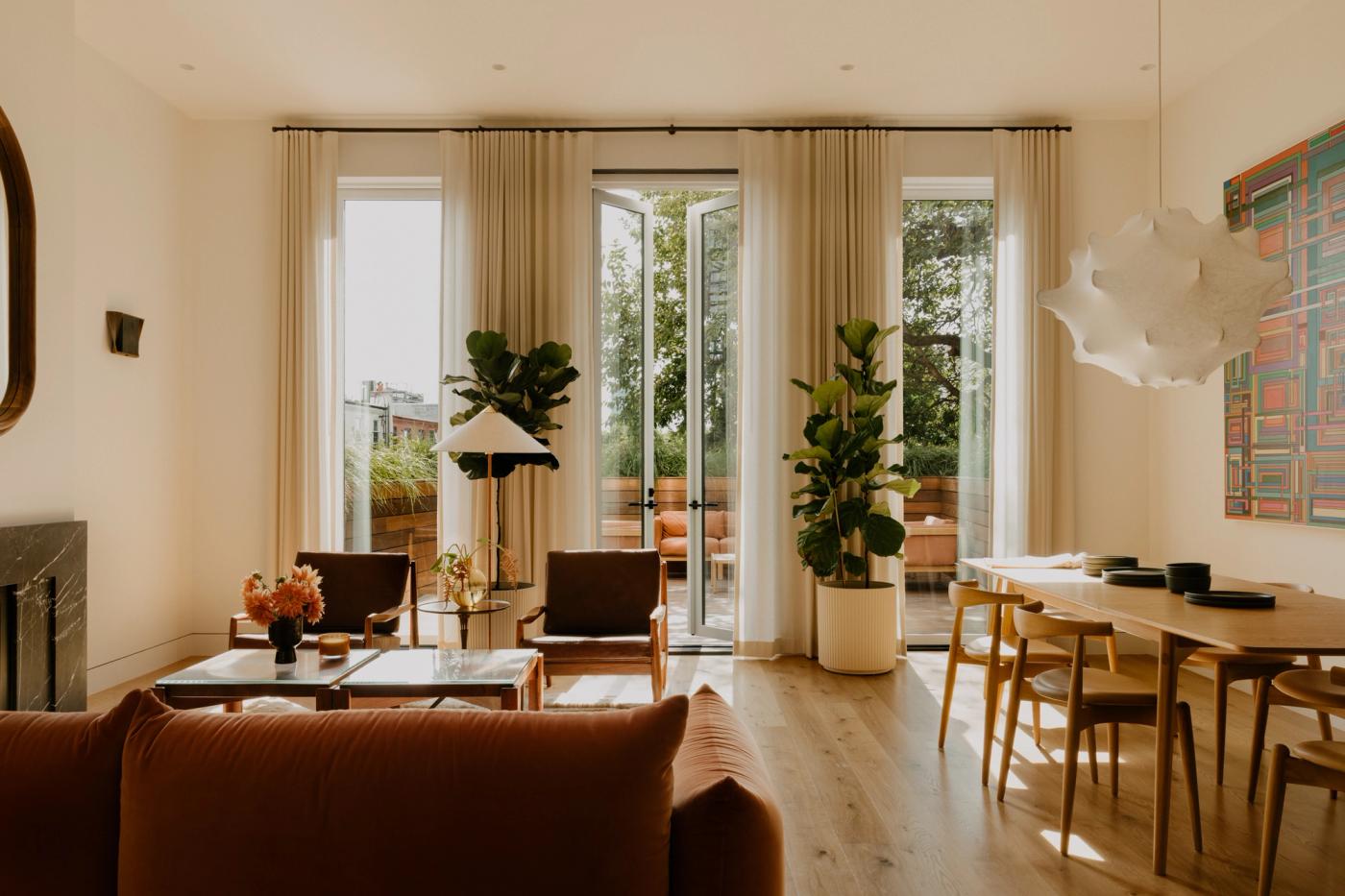
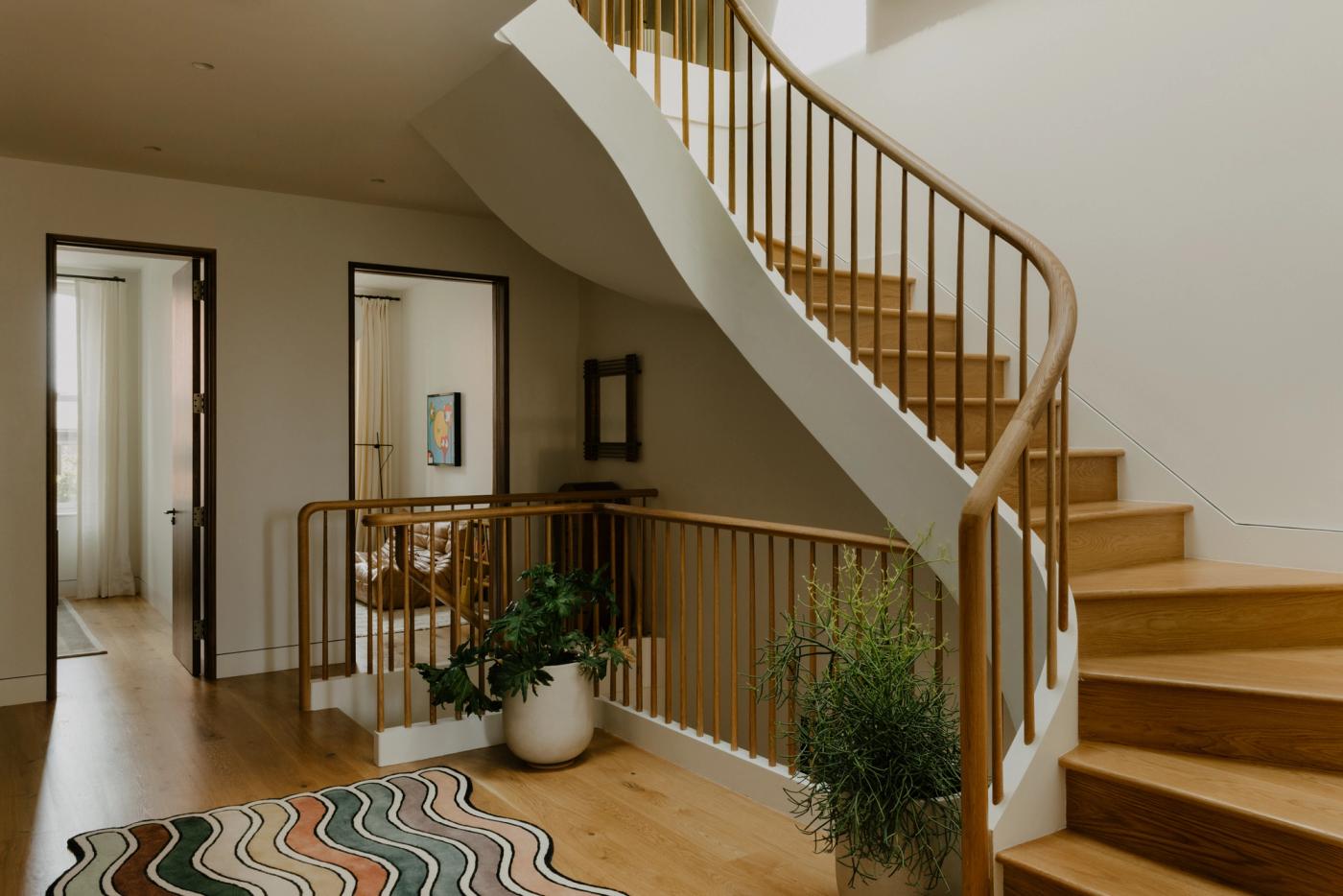
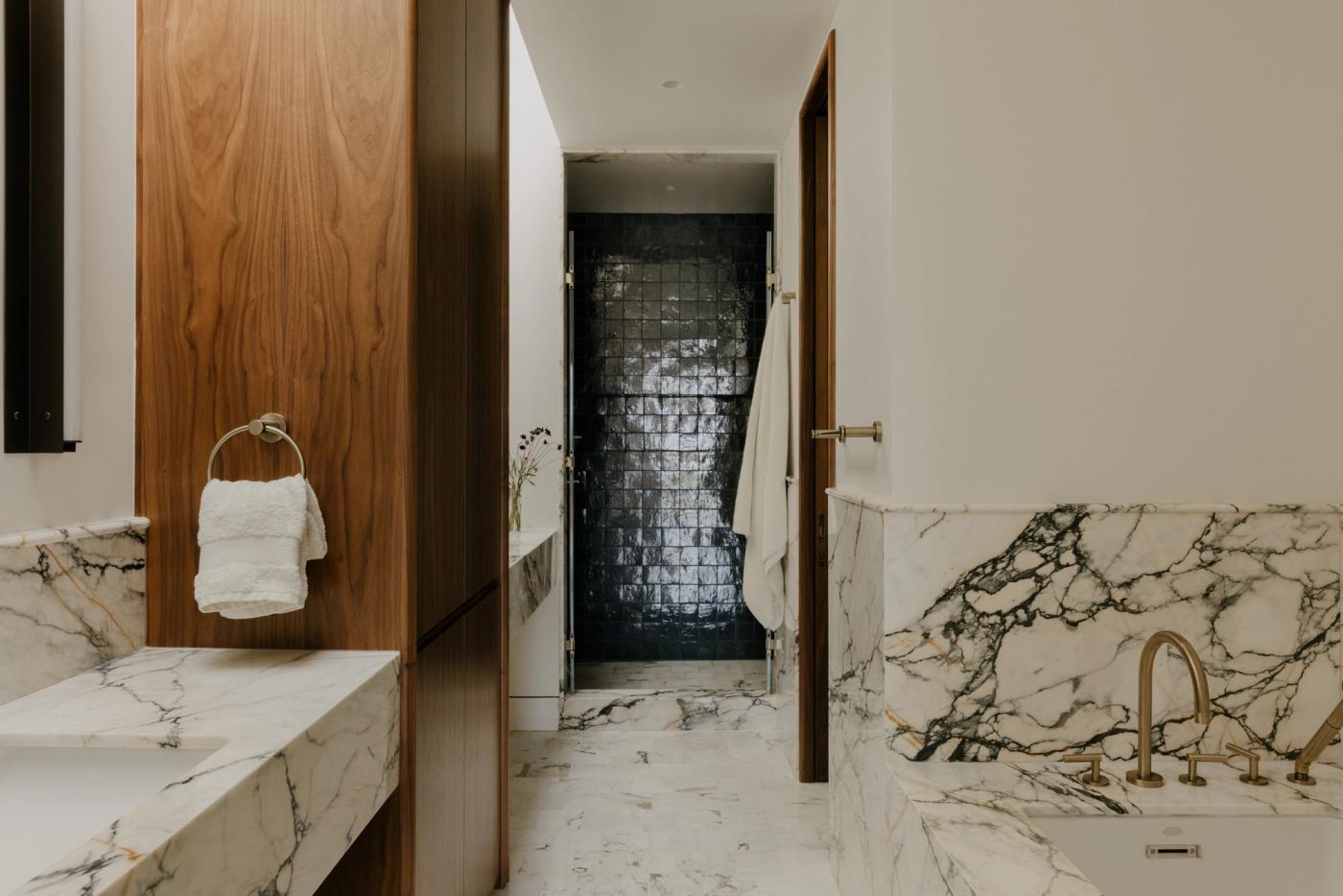
Tana Nesbitt-Hayes of Studio 8 Architect combined a hundred-year-old family home, once three apartments, into a single Brooklyn residence. She led the interiors, the selections, and the contractor coordination, while the larger team at Blejer Architecture carried the broader architecture.
The design was warm and layered. The harder brief was operational: one person keeping a bigger firm, the engineers and millworkers, the vendors, and the clients all agreed on close to a hundred line items.

The Problem
When a solo designer works with a larger firm, the usual failure is parallel truths: the firm on one spreadsheet, the designer on another, drifting apart until the drawings no longer match the selections. At a hundred-plus items, that drift is exactly where the wrong finish, size, or quantity slips through. As Justin Blejer puts it, those are "things that sound obvious but can make bigger problems."
THE FIX
Tana built and held the Schedule herself in Programa, structured rows carrying each item's model number, size, and status, kept current so no one worked from a screenshot three revisions old.
The collaboration ran off her work rather than around it. Blejer used "her schedules as she's made them" to keep "our drawings reflecting her selections," and Justin calls it "an invaluable tool": the bigger firm built from the solo designer's Schedule, not the reverse.
Consultants worked from it too, with the mill workers and engineers able to "easily share our Schedules" and see "all of the appliances, the plumbing fixtures, what the flow is."

THE PAYOFF
With the Schedule complete, Tana used Quote Requests to send it to suppliers, "one email to all of our vendors," who could then "get us pricing back very easily."
The Client Dashboard kept every stakeholder on the same spec: when a client clicked through, it brought them "directly to what they specified or agreed upon," so there was "never any room for confusion." Approvals ran through the Client Dashboard as well.
Tana could "present like six of one thing," ask "what are you drawn to the most," and let the client choose and approve on their own time, "because we don't have a meeting to do it."

THE STAKES
A larger firm can put more people on a coordination problem; a solo studio cannot, so the Schedule has to hold on its own. It did. The result reads as a finished home in the photographs. The part worth borrowing is how one designer held the spine of a project this size, by making her Schedule the place everyone else worked from.