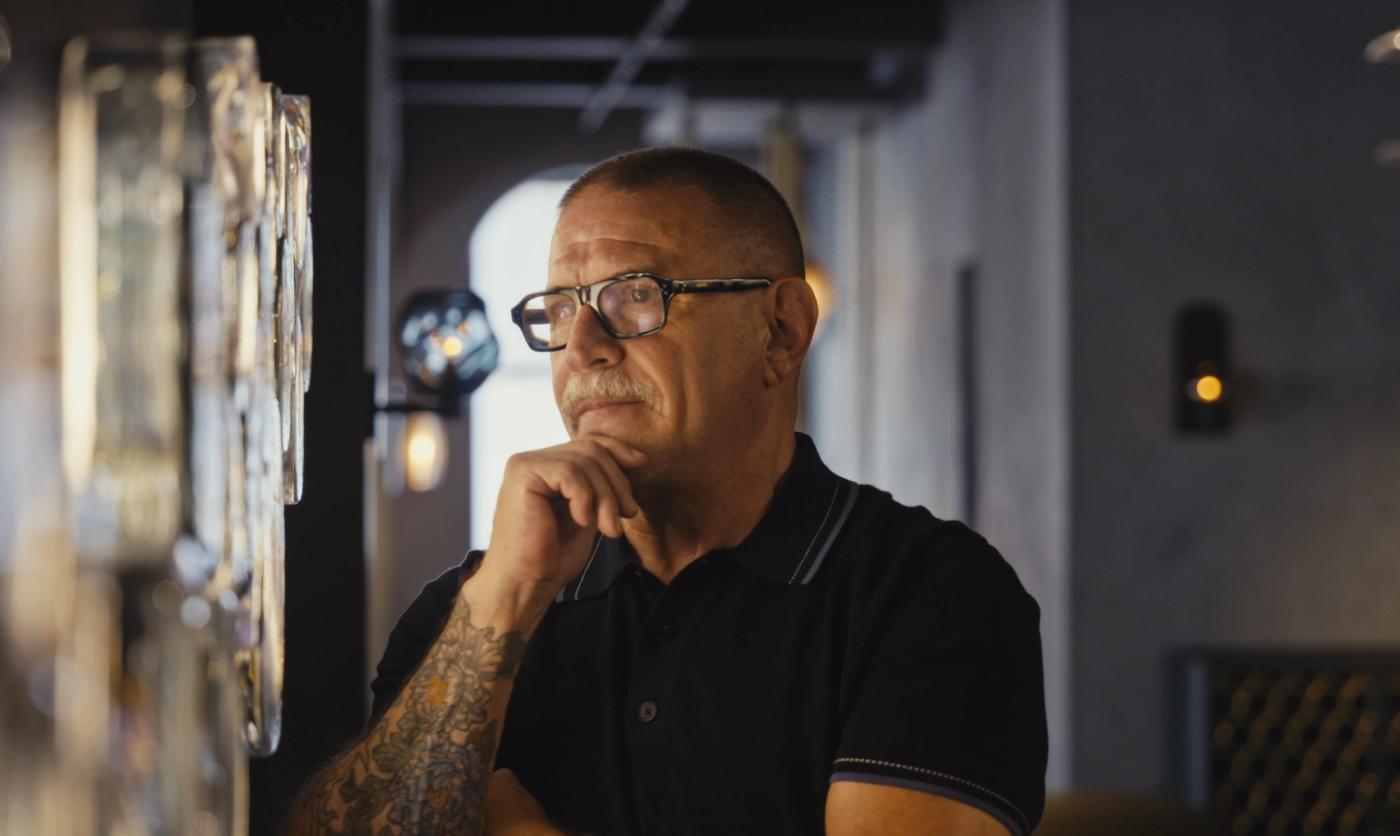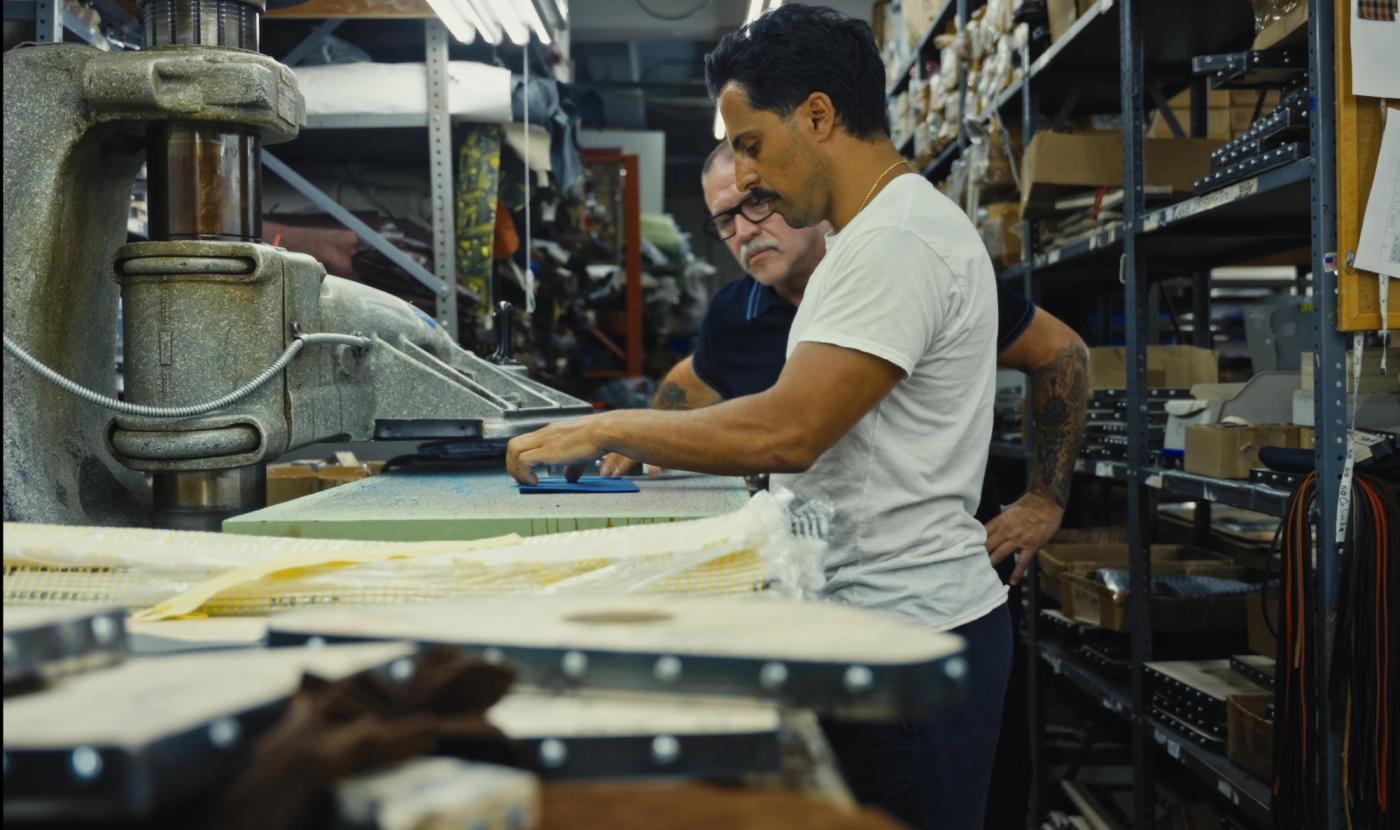
Gil stepped away.
The work continued.

Based in Chicago, Gil Melott runs a design practice known for modern, sophisticated interiors. With projects spanning residential and commercial work, including high-profile showhouses, Gil has built a reputation for delivering exceptional design under pressure.

Six projects and urgent surgery

Mid-managing six active projects, Gil received devastating news: he needed immediate quadruple bypass surgery. That same day, Kipps Bay called asking him to design their Dallas showhouse—in just eight weeks. "I realized at that moment that I had to stop what I was doing momentarily, get my act together, because nothing was gonna stop the six projects or doing Kipps Bay."

A studio that runs without its founder

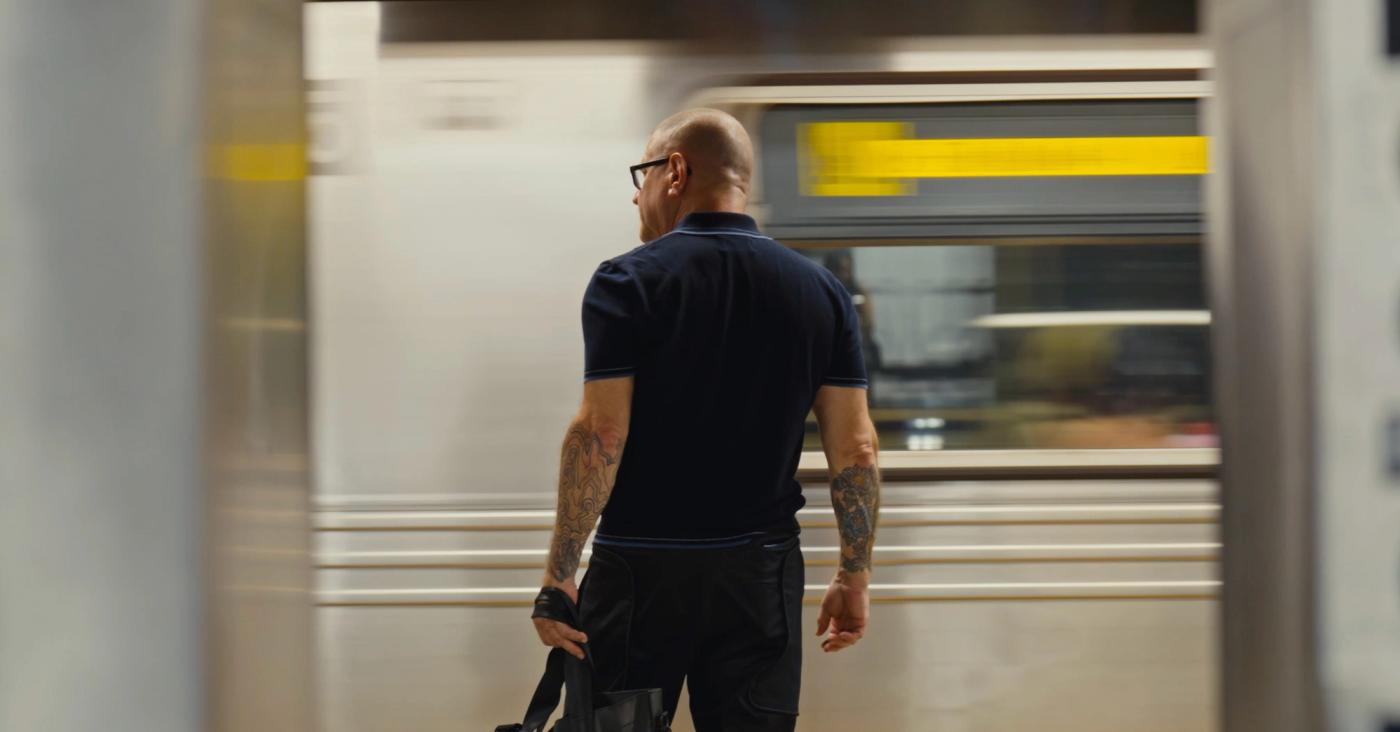
Gil learned that success can't depend on his physical presence. He built processes other people could execute, practices his team could deliver independently. "If I'm not there, it can't be predicated on me being present. Success comes on whether there are people there other than me, whether there are processes that I didn't design."

Eight weeks to deliver the showhouse

Gil's team delivered the Kipps Bay showhouse in eight weeks while he recovered, breaking records and setting design trends still discussed today. The experience became "one of the proudest moments of my life and really a catalyst for my career"—proving that the strongest studios are built to run without their founders.

Lessons

Collaborators

Interior Design
Share

Better your practice today, don't waste another minute.

Gil Melott's quadruple bypass surgery coincided with Kipps Bay's 8-week showhouse deadline and six active projects. Forced to build systems that worked without his presence, he learned that sustainable design practice success depends on processes others can execute, not founder dependency. His team delivered a record-breaking showhouse while he recovered, proving that the strongest studios are built to function independently. Discover the studio management strategies and business continuity planning that transformed a medical crisis into career-defining success for design practices facing unexpected disruptions.